LAGEOS
Shape built from published dimensions and pictures; details simplified.
Turn it in 3D
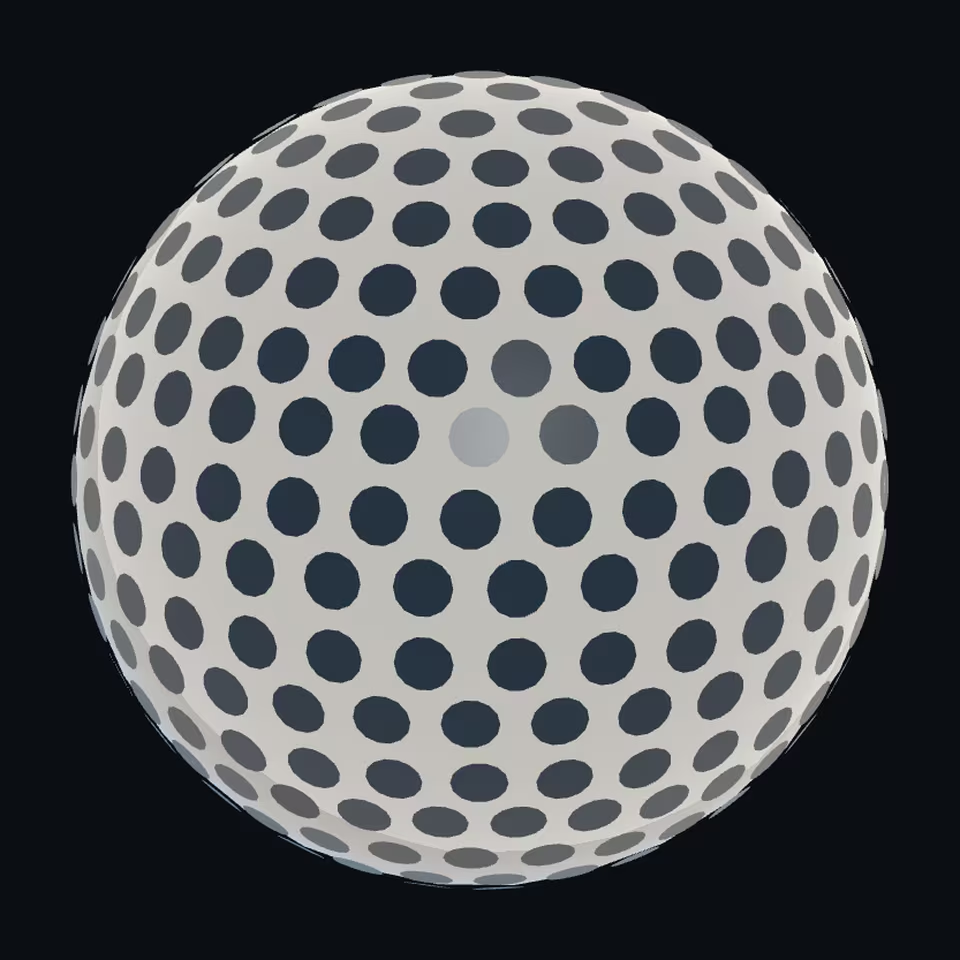
Open the 3D viewer (www.spaceradar.ai).
The viewer loads when you ask: about 700 kB the first time (three.js and the model), much less after.
Pictures 4
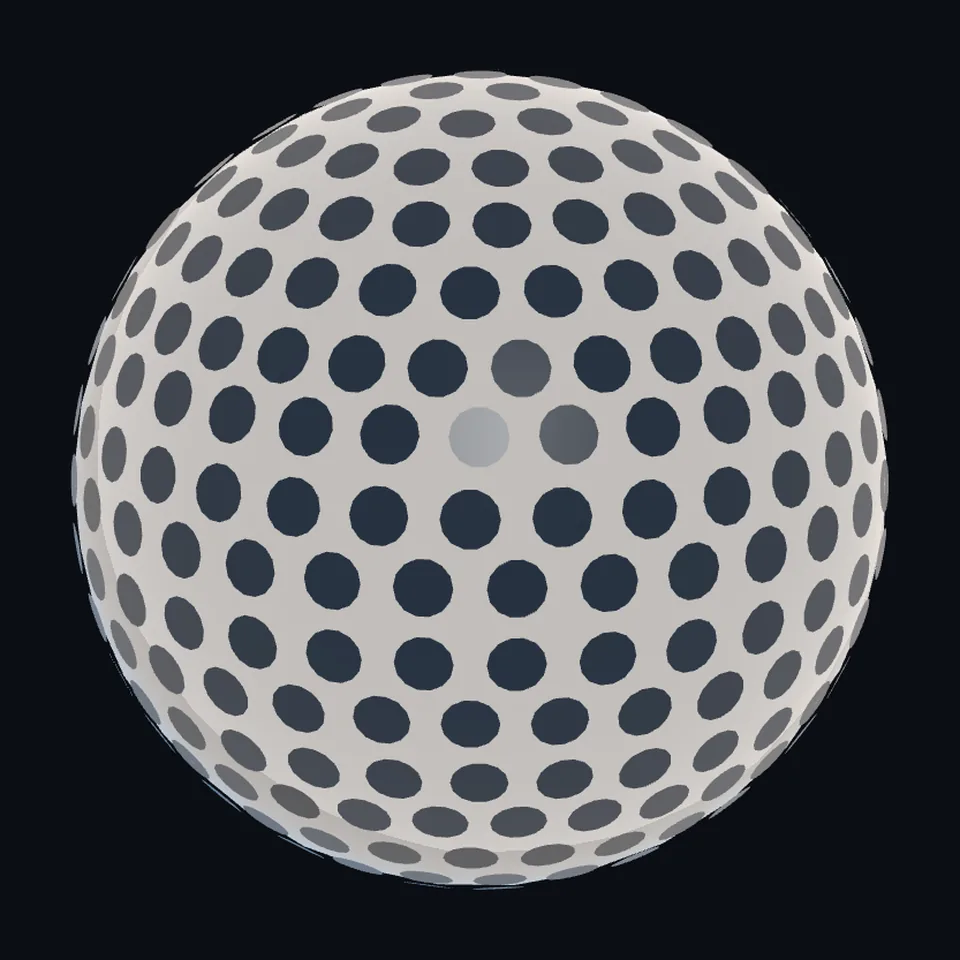 Three-quarter view
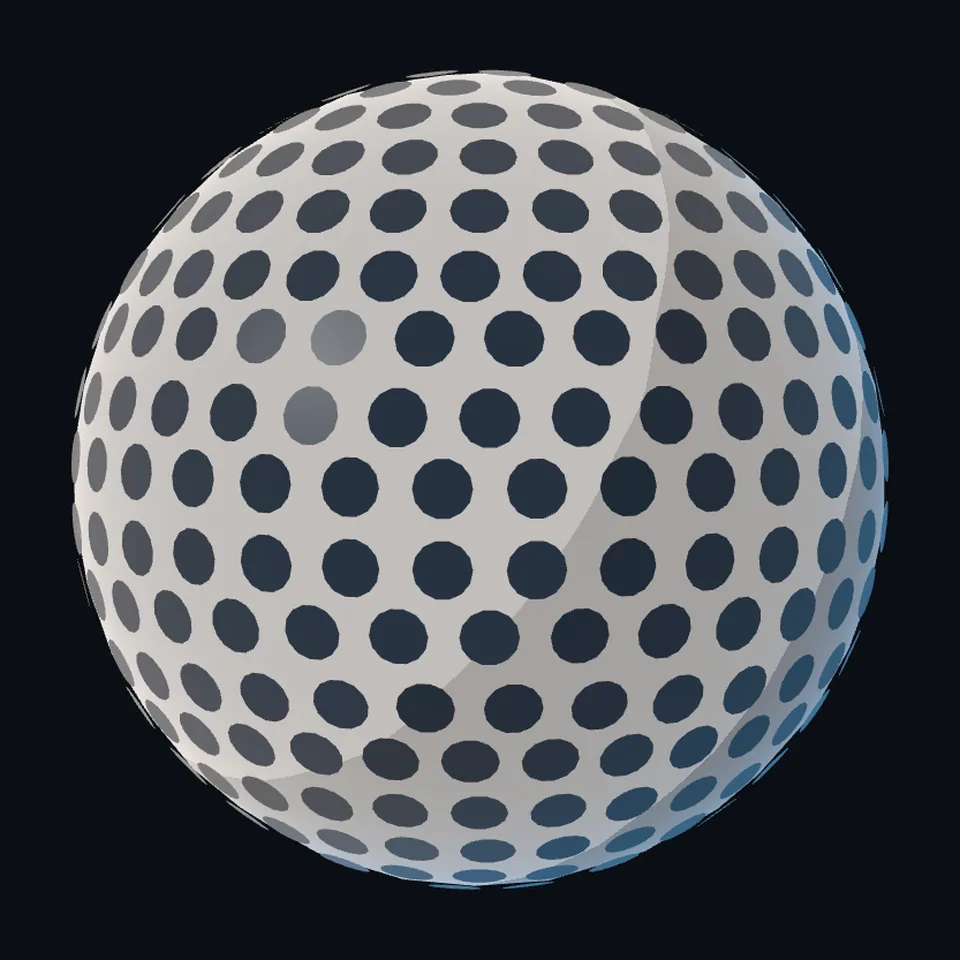 From the side
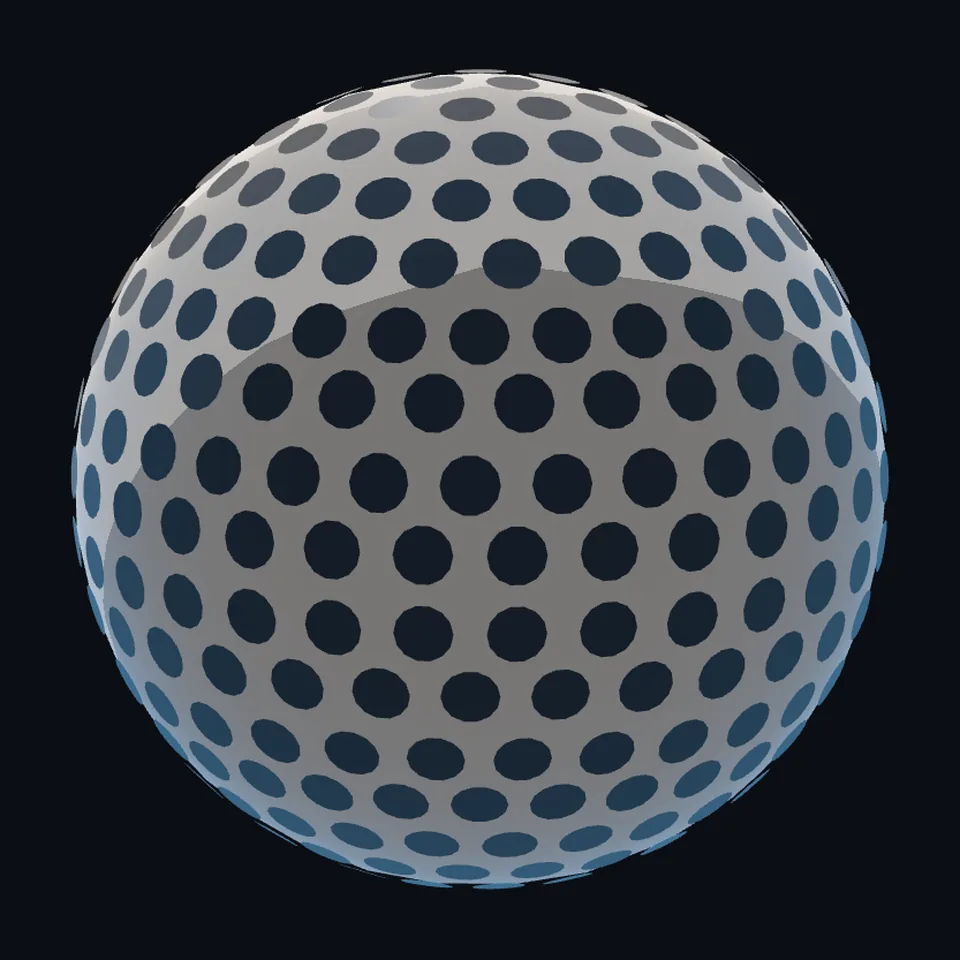 From behind
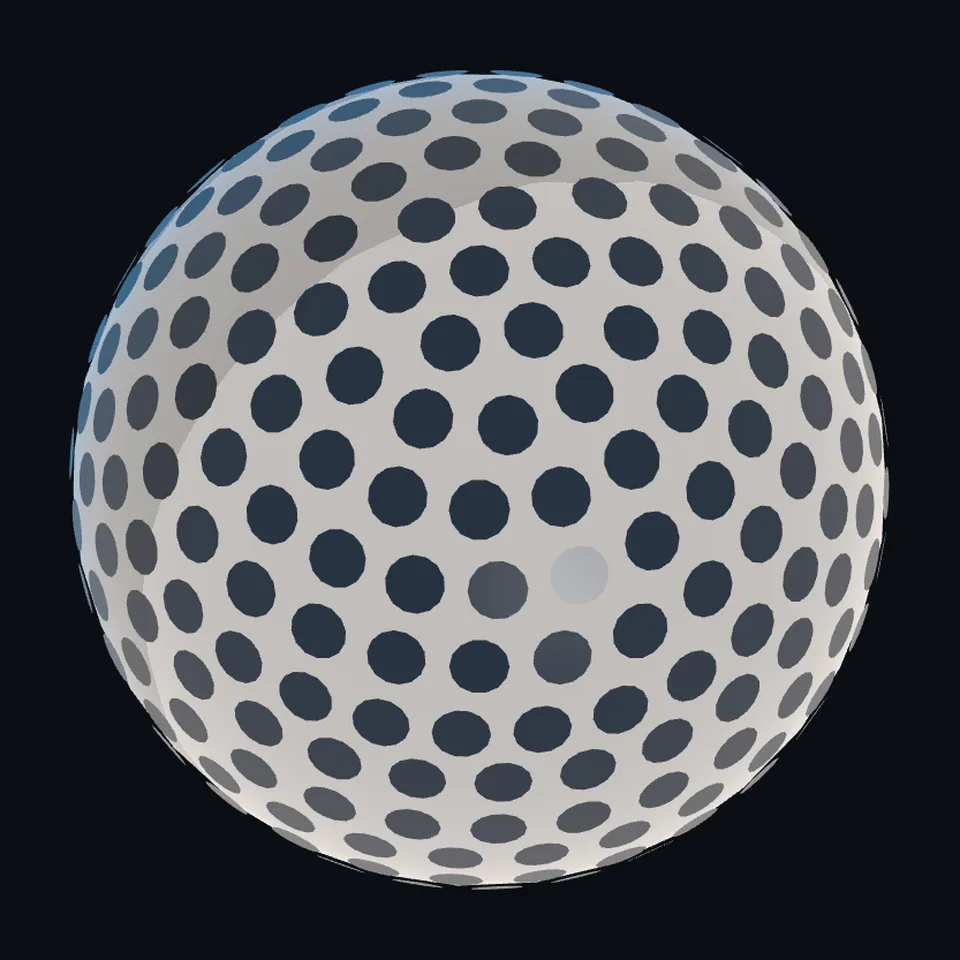 From above
About this model
LAGEOS is one of the 203 3D models Space Radar made itself: a satellite, built in code from published dimensions and photographs, with no image-to-3D generator and no one else’s mesh.
Shape built from published dimensions and pictures; details simplified. It has 6,760 triangles in a 50 kB glTF file, and is 0.6 m across at full scale.
On Space Radar’s live map it is drawn for the object with NORAD catalogue number 8820, where its published orbit puts it now. Open it on the map.
Dimensions and their sources
| Measure | Value |
|---|---|
| Diameter | 0.6 m |
| Cube face diameter | 0.0381 m |
D. Arnold, 'Transfer Function of the LAGEOS-2 Retroreflector Array', ilrs.dgfi.tum.de/docs/2022/Lageos-2.pdf, opened 2026-10-13: 'The LAGEOS-2 satellite is a sphere 60 cm in diameter with 426 uncoated circular cube corners 1.5 inches in diameter and 1.096 inches in length.' and 'There is one cube corner at each pole and 9 rings of cubes in each hemisphere.'; its Table 1.1 gives each ring's colatitude and count: 10.120 degrees 6, 19.850 12, 29.580 18, 39.310 23, 49.040 27, 58.770 31, 67.017 31, 76.747 32, 85.137 32, and one at the pole: 213 a hemisphere. The same counts in Wood, Otsubo and Sherwood, ilrs.cddis.eosdis.nasa.gov/lw13/docs/papers/target_wood_1m.pdf, opened 2026-10-13: 'successive rings have 32, 31, 31, 27, 23, 18, 12, 6, 1 (at the "pole") reflectors, giving a total of 213 in each hemisphere. 422 of the reflectors are made of fused silica and 4 of germanium.' eoPortal, eoportal.org/satellite-missions/lageos, opened 2026-10-13: 'LAGEOS-II is an identical S/C to LAGEOS-I.', which is why both wear this file. NOT CITED: the longitude each ring starts at (read 2026-10-13)
How it was made
Built in code from published dimensions and photographs, with no image-to-3D generator and no one else’s mesh. 3D model: built by Space Radar from the published arrangement of LAGEOS's 426 retroreflectors and NASA photographs.
The full record
built by this project in code (the private tool model-from-images: assemble.py, from a yaml of primitives), from the cited dimensions and the pictures under `references`; no image-to-3D model was used, and no published mesh
Where the map uses it. NORAD 8820 (LAGEOS 1) and 22195 (LAGEOS 2), the two laser geodynamics satellites. Both were the one plain ball every laser-ranging sphere wears (scene/models.js `sphere`), which is still what is drawn while this file is on its way; public #947
Licence note. Public domain (the two NASA photographs it was compared with); the shape is this project's, under this repository's licence
References 2
What the shape was compared with. None of these pictures is in the file.
- LAGEOS-NASANASAPublic domain (NASA)
- Sts052-80-030 lrgNASAPublic domain (NASA)


Use it
The model is under the MIT licence: use it, change it and share it, in any project, also a paid one. Keep the credit:
LAGEOS 3D model by Space Radar (spaceradar.ai), MIT LicenseAny glTF 2.0 loader that reads meshopt compression (EXT_meshopt_compression) opens the file: three.js with its MeshoptDecoder, Babylon.js, model-viewer. Tools such as glTF-Transform can write an uncompressed copy.
Or embed the viewer in your page:
<iframe src="https://www.spaceradar.ai/model/?id=lageos" title="LAGEOS, 3D model by Space Radar" width="600" height="450" loading="lazy" style="border:0;max-width:100%"></iframe>Related models