
LARES
Shape built from published dimensions and pictures; details simplified.
Turn it in 3D
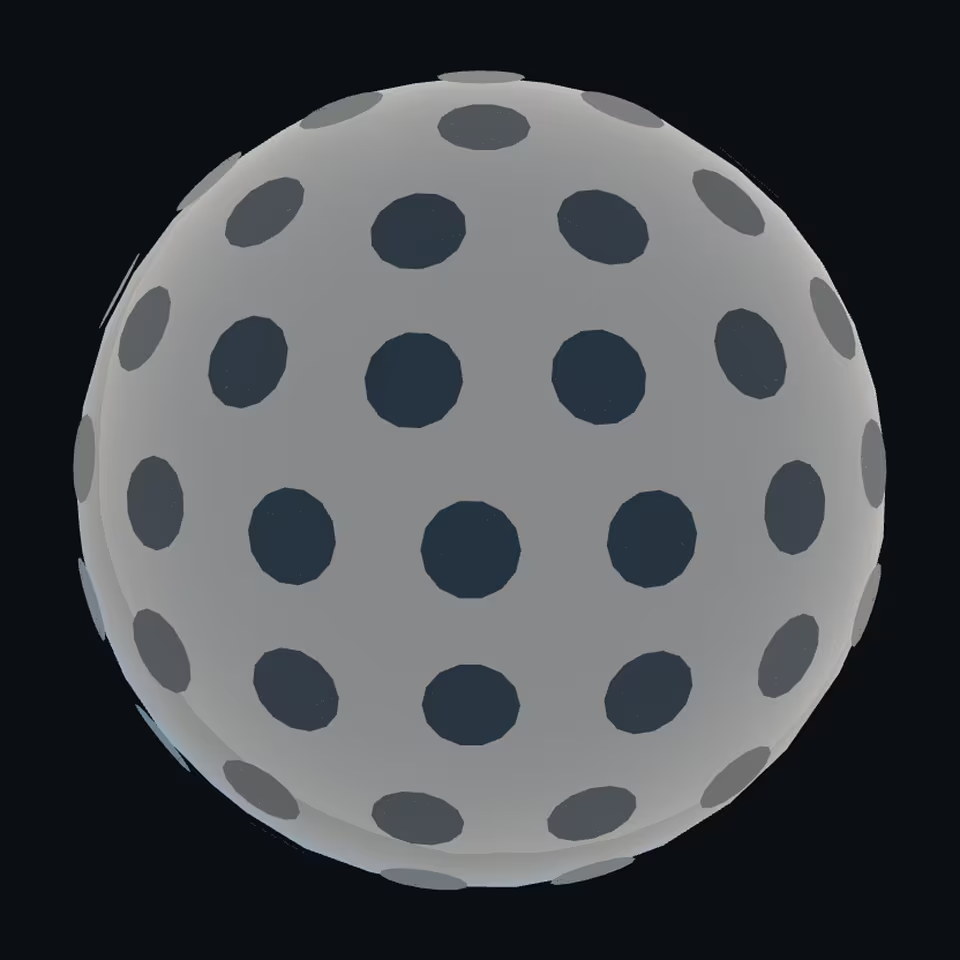
Open the 3D viewer (www.spaceradar.ai).
The viewer loads when you ask: about 700 kB the first time (three.js and the model), much less after.
Pictures 4
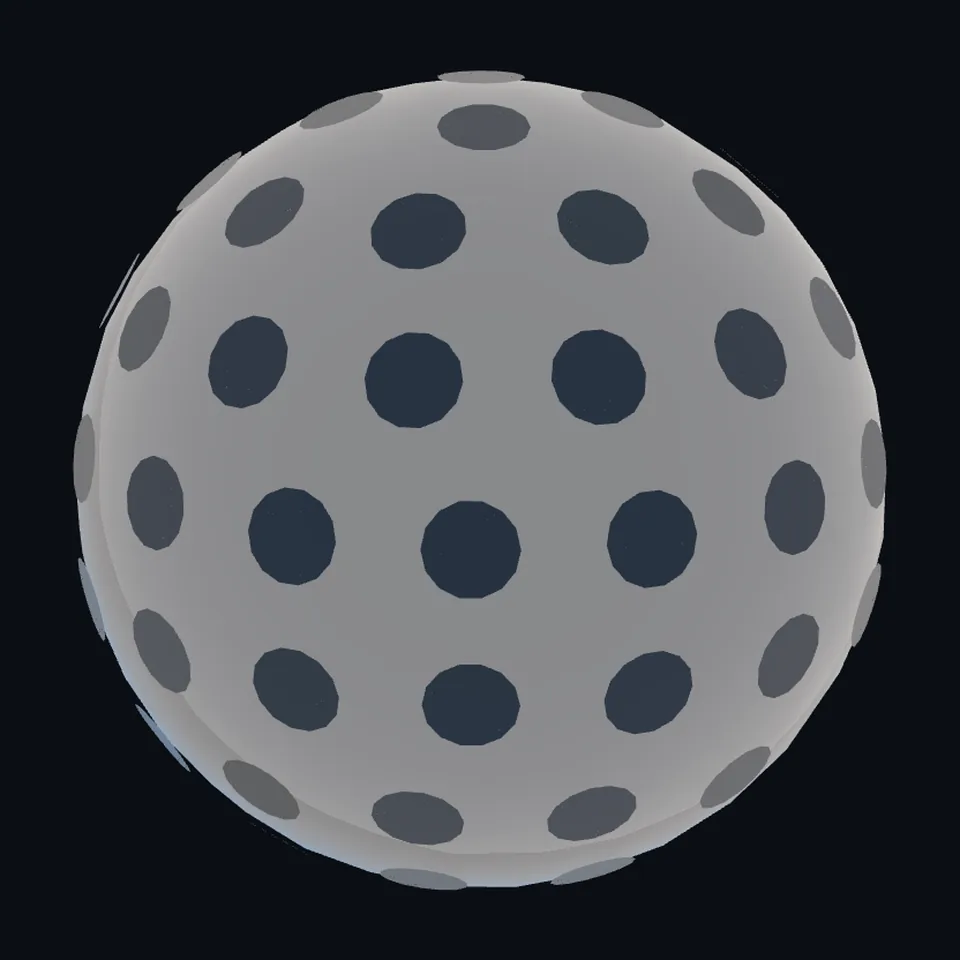 Three-quarter view
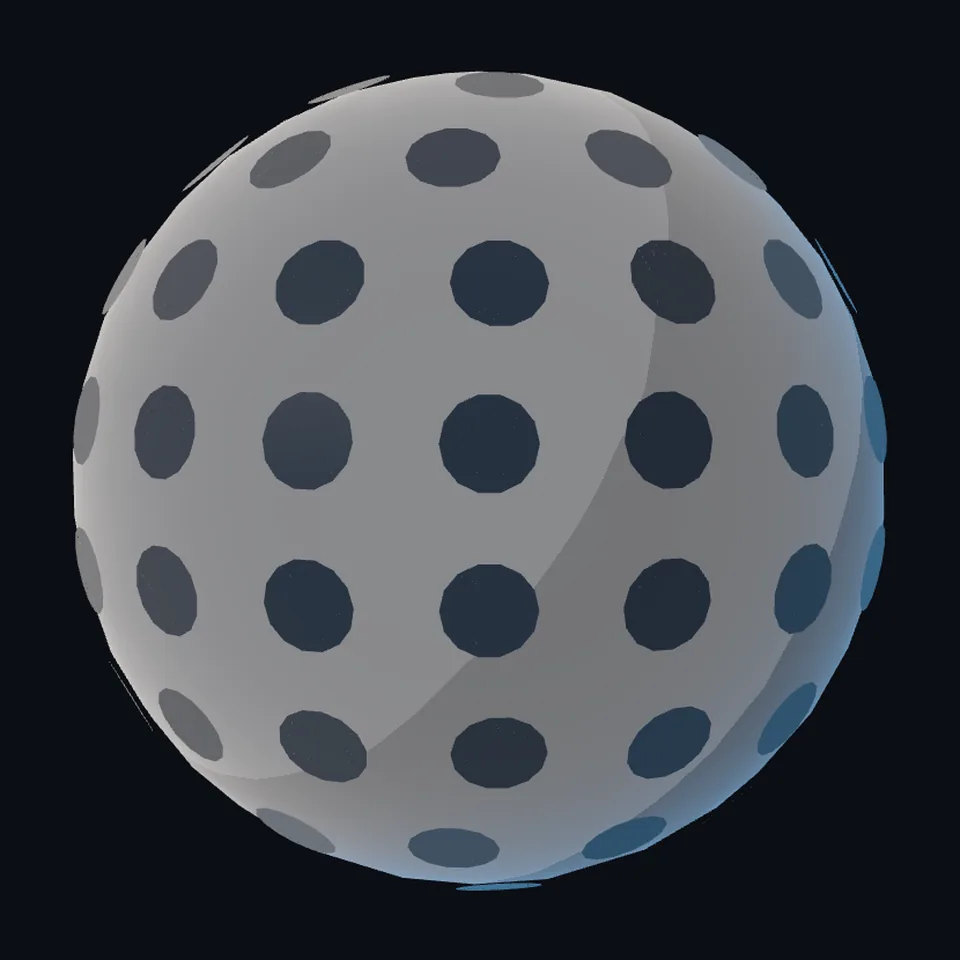 From the side
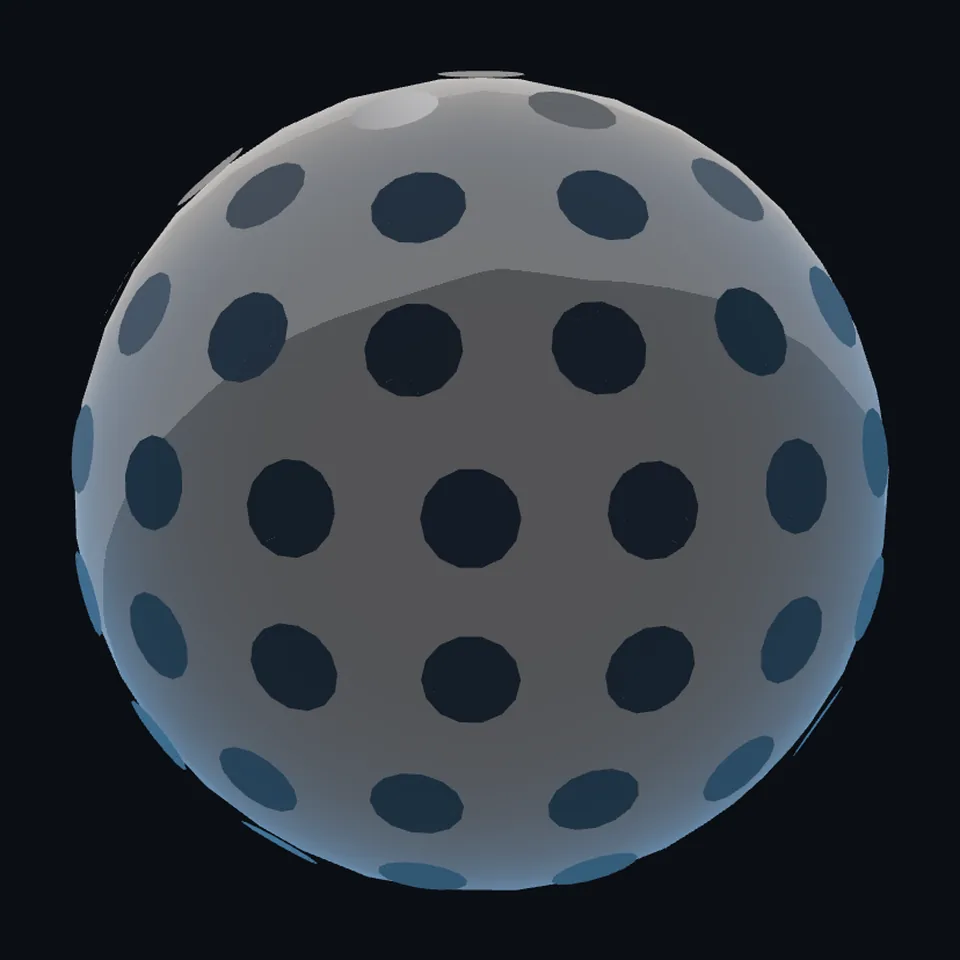 From behind
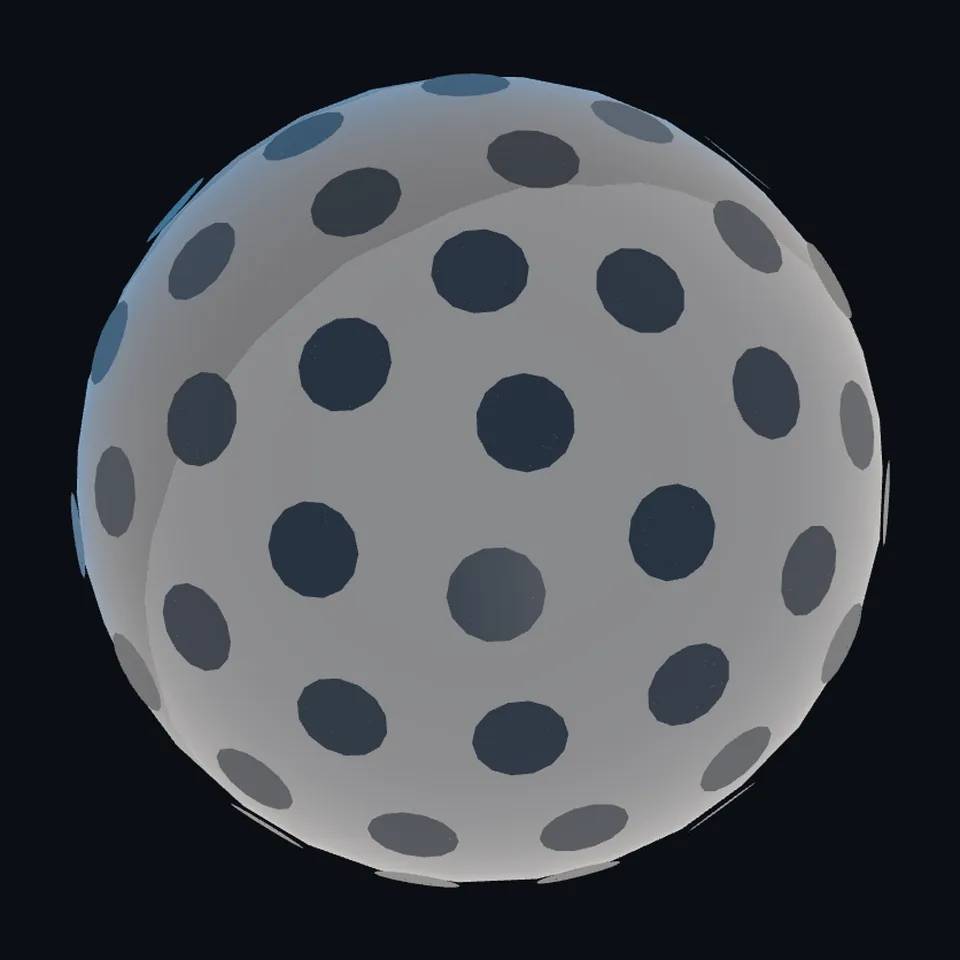 From above
About this model
LARES is one of the 203 3D models Space Radar made itself: a satellite, built in code from published dimensions and photographs, with no image-to-3D generator and no one else’s mesh.
Shape built from published dimensions and pictures; details simplified. It has 5,948 triangles in a 32 kB glTF file, and is 0.4 m across at full scale.
On Space Radar’s live map it is drawn for the object with NORAD catalogue number 38077, where its published orbit puts it now. Open it on the map.
Dimensions and their sources
| Measure | Value |
|---|---|
| Diameter | 0.364 m |
| Cube face diameter | 0.0381 m |
| Retroreflectors | 92 |
International Laser Ranging Service (NASA-hosted), ilrs.gsfc.nasa.gov/missions/satellite_missions/current_missions/… and lars_reflector.html, opened 2026-10-13: 'Satellite Radius: 182 mm'; 'covered with 92 uncoated cube corner reflectors made from Suprasil 311. Each cube measures: height=27.889 mm, diameter=38.10 mm.' The rings: the LARES Mission Support Request form, ilrs.gsfc.nasa.gov/docs/LARES_MSR_final_version_revCP.pdf, opened 2026-10-13, table 'CCRs rows position' (row, cubes, latitude, step in longitude, first cavity): 'I 1 90.00', 'II 5 70.00 72.00 0', 'III 10 50.00 36.00 23', 'IV 14 30.00 25.714 0', 'V 16 10.00 22.50 11.25', and the same five rows south: 2 x (1 + 5 + 10 + 14 + 16) = 92; 'Recess of the front faces from the spherical surface is 2.6 +0.1/-0.2 mm'. NOT CITED: the first cavity of each SOUTHERN row (drawn as the northern) (read 2026-10-13)
How it was made
Built in code from published dimensions and photographs, with no image-to-3D generator and no one else’s mesh. 3D model: built by Space Radar from the published arrangement of LARES's 92 retroreflectors.
The full record
built by this project in code (the private tool model-from-images: assemble.py, from a yaml of primitives), from the cited dimensions and the pictures under `references`; no image-to-3D model was used, and no published mesh
Where the map uses it. NORAD 38077 (LARES), the Italian tungsten ball. It was the one plain ball (scene/models.js `sphere`), which is still what is drawn while this file is on its way; batch three of the model backlog
Licence note. No picture ships and none was traced: the only photograph found is not free and was looked at on the page named under `references`; the shape is this project's, under this repository's licence
References 1
What the shape was compared with. None of these pictures is in the file.
- LARES, the ILRS mission pageInternational Laser Ranging Service; photograph 'Courtesy of ASI'The page's text is NASA-hosted (the International Laser Ranging Service at Goddard); its photograph is NOT FREE: 'Courtesy of ASI'
Use it
The model is under the MIT licence: use it, change it and share it, in any project, also a paid one. Keep the credit:
LARES 3D model by Space Radar (spaceradar.ai), MIT LicenseAny glTF 2.0 loader that reads meshopt compression (EXT_meshopt_compression) opens the file: three.js with its MeshoptDecoder, Babylon.js, model-viewer. Tools such as glTF-Transform can write an uncompressed copy.
Or embed the viewer in your page:
<iframe src="https://www.spaceradar.ai/model/?id=lares" title="LARES, 3D model by Space Radar" width="600" height="450" loading="lazy" style="border:0;max-width:100%"></iframe>Related models
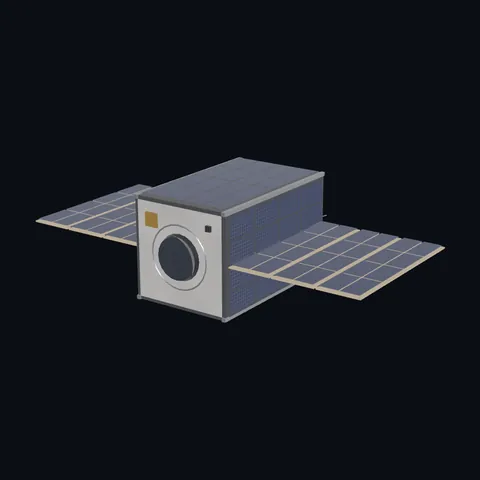
CubeSat 12U with wings
Shape built from published dimensions and pictures; details simplified.